Solar energy has emerged as a reliable and sustainable source of power, but people often wonder how long solar panels truly last?
We decided to delve into the world of solar panel technology and explain the impressive staying power of these eco-friendly energy generators.
Firstly, it’s important to understand a solar panel’s lifespan. Also known as photovoltaic (PV) panels, solar panels are designed to capture sunlight and convert it into usable electricity.
They have proven to be an excellent investment for homeowners, businesses, and governments seeking clean and renewable energy solutions. On average, solar panels have a lifespan of 25 to 30 years, although many can continue producing electricity beyond this time. Several factors influence the longevity of solar panels, including the type of materials, their manufacturing quality, maintenance, and environmental conditions.
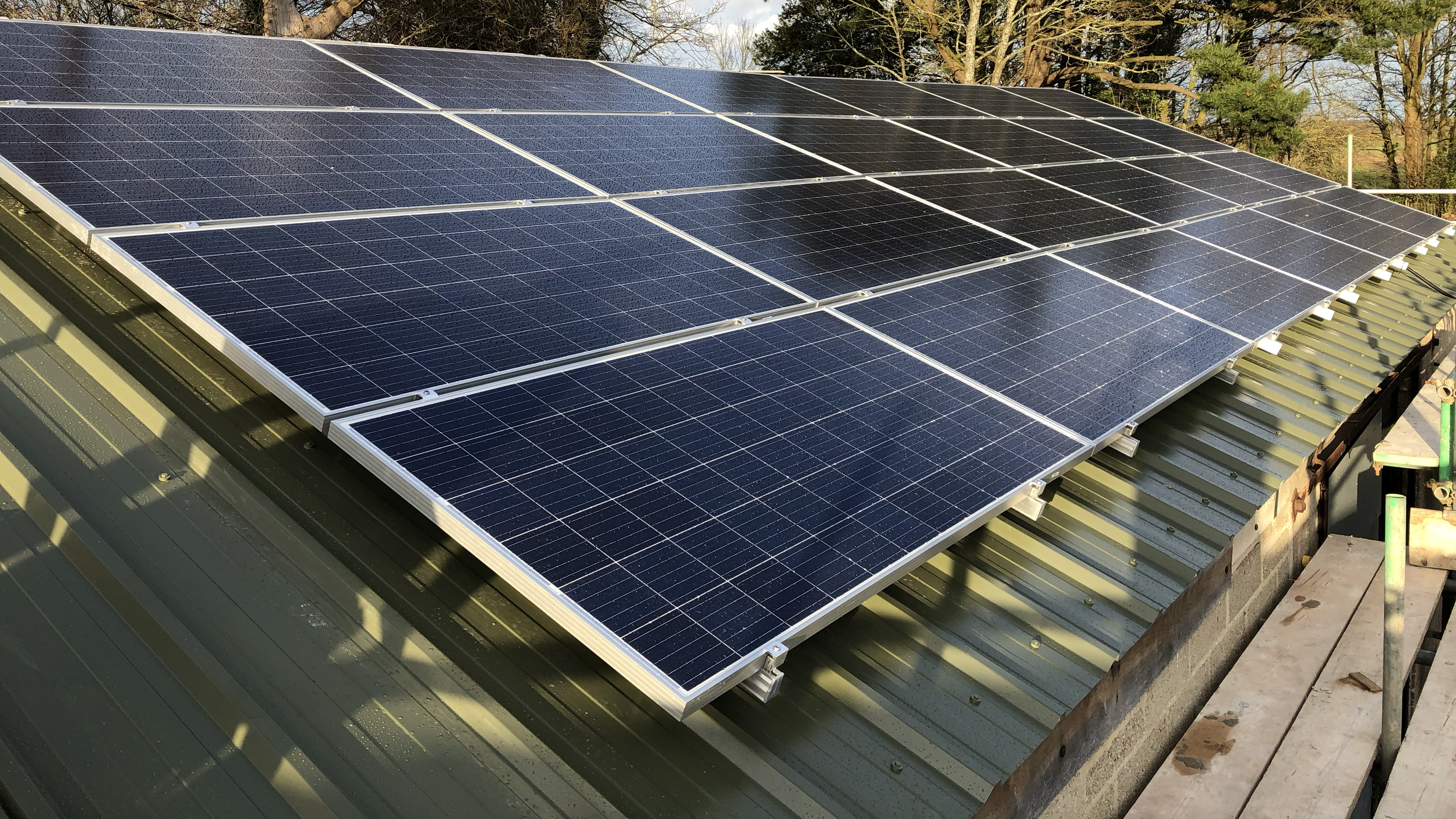
The quality of materials used in the construction of solar panels plays a significant role in their longevity. Most solar panels are made from high-grade silicon cells, tempered glass, and durable aluminium frames.
These components are designed to withstand the rigours of outdoor exposure, such as extreme temperatures, moisture, and UV radiation.
Reputable manufacturers adhere to strict quality control standards to ensure the panels are built to last. Investing in panels from trusted brands with a proven track record, through a reputable supplier can increase the chances of longer-lasting and more reliable solar systems.
Just like any other part of a building, proper maintenance is crucial to maximising the lifespan of solar panels. Fortunately, solar panel systems are relatively low-maintenance.
Regular cleaning to remove dust, debris, or any shading from nearby trees or buildings can help maintain optimal performance. Additionally, inspecting the panels for any signs of damage, such as cracks or loose connections, is important. Most solar panel systems now come with monitoring features that allow homeowners to track their system’s performance and promptly address any issues. Routine maintenance, performed by professionals when necessary, can significantly extend the life of solar panels.
Environmental conditions, including temperature, humidity, and exposure to the elements, can impact the lifespan of solar panels. Extreme heat or cold can degrade panel performance over time, although thankfully recent advancements have made them more resilient and better able to withstand a range of climates. Solar panels are built to handle inclement weather, including hail, rain, and snow. Proper installation with securely mounted and correctly angled, also helps their longevity.
So, with just a little proper care and protection, solar panels can continue producing electricity for many years, even in challenging environments.
Solar panels have an impressive lifespan, typically now ranging from 25 to 30 years, and they often exceed this timeframe. The best news is, that through advancements in materials, manufacturing processes, and maintenance methods, improvements in solar technology’s durability and reliability show no sign of slowing.