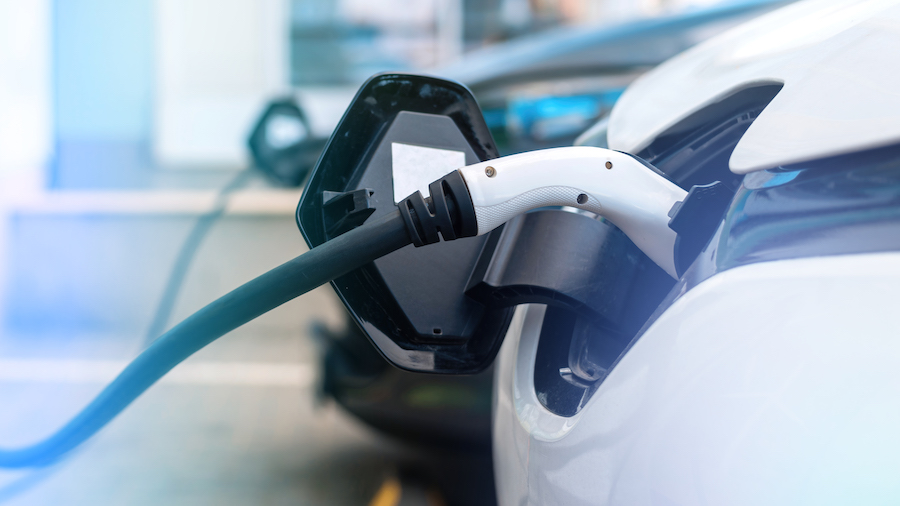
There’s been a lot of talk lately about the mileage range of electric vehicles (EVs) and the difficulties of charging them on journeys, so we thought it would be a good idea to have a look at who is best suited to this type of vehicle.
While those driving 30,000 miles per year may not see the benefits of EVs, certain types of drivers can gain greatly from them, depending on their specific needs and circumstances. Here are a few examples:
Commuters: EVs are particularly advantageous for commuters who travel relatively short distances, such as from home to work and back, especially if they go into low emission or congestion zones. With their low operating costs and zero exhaust emissions, EVs can significantly reduce the cost of commuting, while helping to improve the local air quality.
City Dwellers: People living in densely populated areas often face challenges related to limited parking spaces and high levels of pollution. EVs can be a great fit for city life, especially compact models; their manoeuvrability and environmental friendliness are definite advantages.
Long-Distance Traveler’s: Although some EVs have limited ranges, the technology has advanced significantly, and newer EVs can travel longer distances on a single charge. For long-distance travellers, planning their trips around meal breaks and the charging infrastructure makes the best use of the time.
Cost-Conscious Drivers: EVs have lower operating costs than traditional internal combustion engine vehicles. EVs typically have lower maintenance requirements too, which, combined with the reduced fuel costs, make EVs an attractive option for drivers seeking long-term cost savings on their car.
Environmental Champions: If you’re passionate about reducing your carbon footprint and minimising the environmental impact of your life, EVs offer a significant sustainability advantage. By eliminating exhaust emissions, EVs contribute to lower greenhouse gas emissions and contribute to slowing climate change.
Ultimately, the benefits of EVs can be extended to a broad range of drivers, and as the technology continues to evolve and charging infrastructure expands, EVs will become increasingly viable for more types of drivers and their needs.