Over the last 20 years or so, renewable energy has emerged as a beacon of hope in addressing the global challenges of climate change and energy sustainability. In recent years, the world has witnessed remarkable progress in renewable energy technologies, paving the way for a cleaner, greener future.
We decided to look at some of the most exciting developments in renewable energy sources, highlighting their potential to revolutionise the way we generate, store and utilise power.
Advancements in Solar Power:
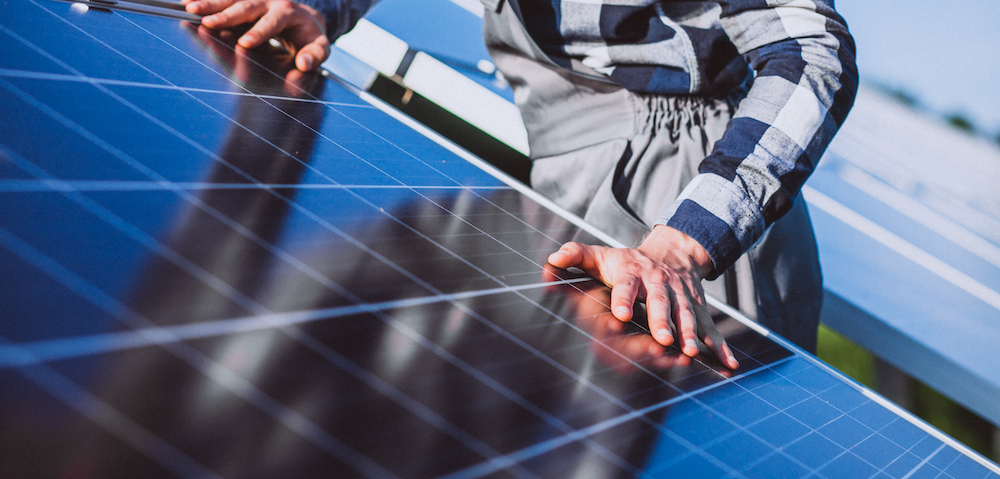
Solar power has long been one of the leading renewable energy sources, and recent advancements have made it even more efficient and affordable. The development of high-efficiency solar panels, such as multi-junction cells, has significantly increased the conversion rates of sunlight into electricity. Additionally, integrating solar technology into everyday objects, like solar windows and even solar-powered clothing, has immense potential to transform how we harness solar energy.
Breakthroughs in Wind Energy:
The wind energy sector has also witnessed remarkable progress, with the advent of more efficient wind turbines and advanced controller systems. Offshore wind farms have gained significant traction, installing larger turbines and taking advantage of the stronger, more consistent winds present at sea. Moreover, innovative floating wind turbines have opened up new possibilities for harnessing wind power in deep waters, further expanding the potential for clean energy generation.
Energy Storage Revolution:
By allowing us to overcome the intermittency of sources like solar and wind power, energy storage is a crucial aspect of renewable energy. Without it, electricity generated could be wasted. Exciting developments in battery technology, such as lithium-ion batteries, solid-state batteries, and flow batteries, have significantly enhanced energy storage capacities and improved their efficiency. This progress has accelerated the integration of renewables into the national grid, strengthening it to provide a more reliable and stable energy supply.
Advancements in Geothermal Energy:
Geothermal energy harnesses the heat from the Earth’s core and recent technological advancements have seen a jump in activity around this. Enhanced geothermal systems (EGS) have made it possible to tap into geothermal sources even in areas where their lower geothermal gradients previously made it difficult. It works by drilling deep wells and creating engineered reservoirs, which create a reliable and constant power source.
Emerging Role of Hydrogen:
In the last few years, hydrogen has emerged as a promising, multi-purpose energy carrier. Advances in electrolysis technologies, (e.g. proton exchange membrane (PEM) electrolysis and solid oxide electrolysis cells (SOECs)), have made hydrogen production much more efficient and cost-effective. At the same time, hydrogen fuel cells are being developed in transportation, providing another clean alternative to fossil fuels that will reduce carbon emissions.
Smart Grids and Digitalisation:
The integration of renewable energy into smart grids has the potential to completely revolutionise the energy sector. Smart grids enable two-way communication between energy producers and consumers, optimising both energy usage and wastage levels.
The Internet of Things (IoT) and artificial intelligence (AI) technologies have brought along pioneering systems for energy management, predictive maintenance and intelligent load balancing which have made the energy infrastructure more efficient and stable.
To conclude then, it’s clear that all these developments in renewable energy have ushered in an era of incredible possibilities and opportunities. Solar power, wind energy, energy storage, geothermal energy, hydrogen and smart grids are just a few of the exciting developments that are transforming the global energy landscape.