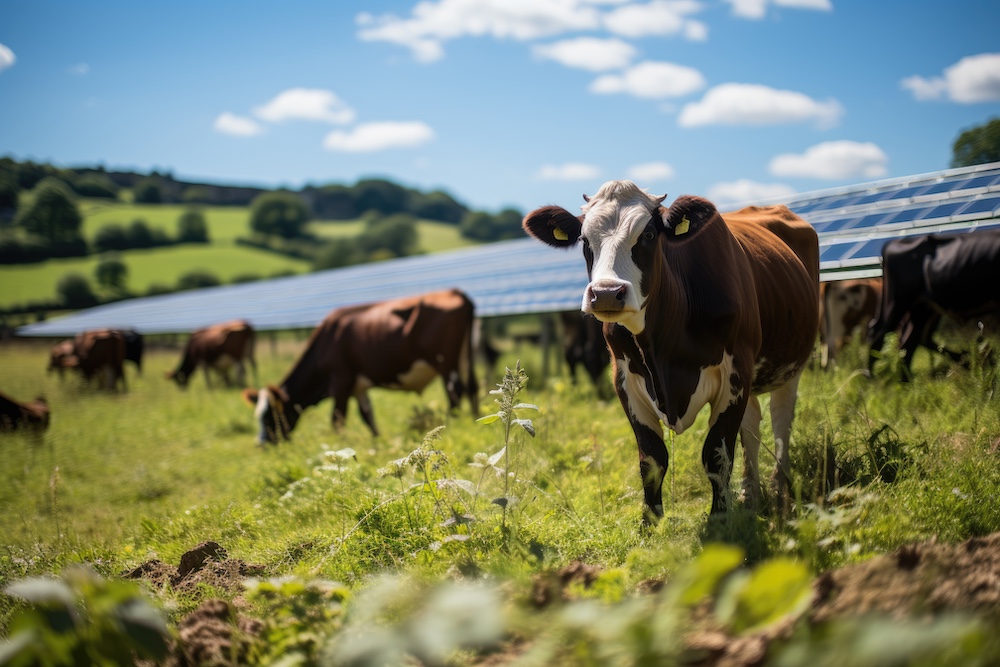
In the modern agricultural landscape, sustainability and efficiency are more important than ever. Farmers are continually seeking ways to reduce costs, increase productivity, and minimise environmental impact. One of the most effective solutions to these challenges is the adoption of solar energy. Installing solar panels on farms offers a multitude of benefits, from significant cost savings to environmental sustainability.
1. Significant Cost Savings
One of the most compelling reasons to install solar panels on farms is the potential for substantial cost savings. Agriculture is an energy-intensive industry, with electricity costs comprising a significant portion of operating expenses. Solar panels provide a cost-effective alternative to traditional energy sources, allowing farmers to generate their own electricity at a lower rate than purchasing from the grid.
Reducing Electricity Bills
By generating electricity on-site, farmers can significantly reduce their dependence on the grid. This not only lowers monthly electricity bills but also provides a buffer against rising energy prices. Farms with high energy consumption, such as those with irrigation systems, dairy operations, or large-scale processing facilities, can particularly benefit from these savings.
Potential for Additional Revenue
In many regions, farmers can sell excess energy generated by their solar panels back to the grid through net metering programs. This not only helps offset the cost of the installation but can also provide a steady stream of additional revenue. For farms that generate more energy than they consume, this can be a significant financial boon.
2. Energy Independence
Energy independence is another key benefit of installing solar panels on farms. By generating their own electricity, farmers can reduce their reliance on external energy sources, which can be particularly advantageous in rural areas where power outages are more common.
Reliable Power Supply
Solar panels provide a reliable source of energy that can be particularly valuable during periods of high demand or when grid power is unreliable. This ensures that essential farm operations, such as irrigation and refrigeration, can continue uninterrupted, protecting valuable crops and livestock.
Resilience Against Power Outages
Power outages can be detrimental to farm operations, leading to lost productivity and spoiled produce. Solar panels, often paired with battery storage systems, can provide a backup power source during outages, ensuring that critical systems remain operational.
3. Environmental Sustainability
Sustainability is a growing priority for farmers and consumers alike. Solar energy is a clean, renewable source of power that can help farmers reduce their carbon footprint and promote environmental stewardship.
Reducing Carbon Emissions
Traditional energy sources, such as coal and natural gas, produce significant amounts of greenhouse gases. By contrast, solar energy generates electricity without emitting harmful pollutants. By switching to solar power, farmers can significantly reduce their carbon emissions, contributing to a healthier environment.
Promoting Sustainable Farming Practices
Integrating solar energy into farm operations aligns with broader sustainability goals, such as reducing water usage and minimizing soil degradation. Solar-powered irrigation systems, for example, can improve water efficiency and reduce the environmental impact of farming practices.
4. Financial Incentives and Grants
There are numerous financial incentives and grants available to farmers who invest in solar energy. These incentives can significantly offset the initial cost of installation, making solar panels a more accessible option for many farms.
Government Grants and Tax Credits
Many governments offer grants, tax credits, and subsidies to encourage the adoption of renewable energy. These financial incentives can cover a substantial portion of the installation costs, making solar panels a more viable investment for farmers.
Low-Interest Loans and Financing Options
In addition to grants and tax credits, there are also low-interest loans and financing options available specifically for renewable energy projects. These financial products can help farmers spread the cost of installation over several years, making it easier to manage within their budget.
5. Enhancing Farm Sustainability Credentials
Adopting solar energy can enhance a farm’s sustainability credentials, which can be a significant marketing advantage. Consumers are increasingly concerned about the environmental impact of the products they purchase, and farms that demonstrate a commitment to sustainability can attract eco-conscious customers.
Building a Green Brand
By showcasing their use of renewable energy, farms can build a strong green brand that differentiates them from competitors. This can lead to increased customer loyalty and the potential to charge premium prices for sustainably produced products.
Attracting Eco-Conscious Customers
Consumers are willing to support businesses that prioritize sustainability. By investing in solar energy, farms can appeal to this growing market segment, potentially increasing sales and market share.
6. Practical Applications of Solar Energy on Farms
Solar panels can be used in a variety of practical applications on farms, enhancing efficiency and productivity across a range of operations.
Solar-Powered Irrigation Systems
Irrigation is a critical component of many farming operations, and it requires a significant amount of energy. Solar-powered irrigation systems can provide a cost-effective and sustainable solution, reducing the reliance on grid power and improving water efficiency.
Solar-Powered Livestock Watering Systems
Providing water for livestock is another energy-intensive task that can benefit from solar power. Solar-powered livestock watering systems can ensure a consistent water supply without the need for costly grid electricity.
Solar-Powered Greenhouses
Greenhouses require a stable and controlled environment to maximize crop yields. Solar panels can provide the necessary energy to power heating, cooling, and lighting systems, ensuring optimal growing conditions while reducing energy costs.
Solar-Powered Electric Fencing
Electric fencing is commonly used to manage livestock and protect crops. Solar-powered electric fencing systems offer a reliable and cost-effective alternative to traditional electric fences, particularly in remote areas without easy access to grid power.
7. Case Studies: Real-World Examples of Solar-Powered Farms
Green Valley Farms
Green Valley Farms installed a ground-mounted solar system, which has reduced their annual energy costs by 40%. The savings have allowed them to reinvest in expanding their operations and adopting additional sustainable farming practices.
Sunny Acres Dairy
Sunny Acres Dairy implemented a rooftop solar installation, significantly lowering their energy expenses and reducing their environmental footprint. The move has also attracted eco-conscious customers and garnered positive publicity, enhancing their brand image.
Riverside Orchards
Riverside Orchards invested in solar-powered irrigation and greenhouse systems, resulting in improved water efficiency and higher crop yields. The use of solar energy has also reduced their operational costs, enabling them to invest in further innovations.
8. Overcoming Challenges and Barriers to Solar Adoption
While the benefits of solar energy are clear, there are also challenges and barriers that farmers may face when considering solar panel installations. Understanding these challenges and how to overcome them is essential for successful adoption.
Initial Installation Costs
The upfront cost of installing solar panels can be a significant barrier for many farmers. However, the availability of grants, tax credits, and financing options can help mitigate this expense. Additionally, the long-term savings on energy bills often outweigh the initial investment.
Navigating Financial Incentives
The process of applying for grants and tax credits can be complex and time-consuming. Partnering with an experienced solar provider, like Bright Spark Energy, can help farmers navigate these programs and maximize their financial benefits.
Ensuring Optimal Installation
Proper installation is crucial for maximizing the efficiency and lifespan of solar panels. Working with a reputable and experienced solar installer ensures that the system is designed and installed to meet the specific needs of the farm, taking into account factors such as location, energy consumption, and available space.
Maintenance and Monitoring
While solar panels require minimal maintenance, ongoing monitoring is essential to ensure they continue to operate at peak efficiency. Partnering with a solar provider that offers comprehensive monitoring and maintenance services can help farmers maintain their systems and address any issues promptly.
9. The Future of Solar Energy in Agriculture
The adoption of solar energy in agriculture is set to continue growing as farmers recognize the economic and environmental benefits. Advances in solar technology and increasing financial incentives will further drive this trend, making solar power an integral part of modern farming practices.
Technological Innovations
Advances in solar panel technology, such as increased efficiency and the development of bifacial panels that capture sunlight from both sides, will enhance the viability and effectiveness of solar energy for farms. Additionally, innovations in battery storage will improve the reliability of solar power, allowing farmers to store excess energy for use during periods of low sunlight.
Expanding Applications
As technology evolves, the applications of solar energy in agriculture will continue to expand. From solar-powered drones for crop monitoring to advanced solar greenhouses, the possibilities are vast and promising.
Growing Support and Advocacy
The push for renewable energy is gaining momentum, with increasing support from governments, industry organizations, and consumers. This growing advocacy will continue to drive the adoption of solar energy in agriculture, helping farmers transition to more sustainable and efficient practices.
Conclusion
The benefits of solar panels on farms are undeniable. From significant cost savings and energy independence to environmental sustainability and enhanced farm credentials, solar energy offers a multitude of advantages for the agricultural sector. By investing in solar panels, farmers can reduce their operational costs, increase productivity, and contribute to a healthier planet.
As technology continues to advance and financial incentives become more accessible, the future of solar energy in agriculture looks bright. With the support of experienced solar providers like Bright Spark Energy, farmers can successfully navigate the transition to solar power and reap the many benefits it offers.