In the realm of renewable energy, solar power has long been hailed as a game-changer for sustainable electricity generation. The rise of solar panels has significantly reduced our reliance on fossil fuels and provided a cleaner way of contributing to our energy needs.
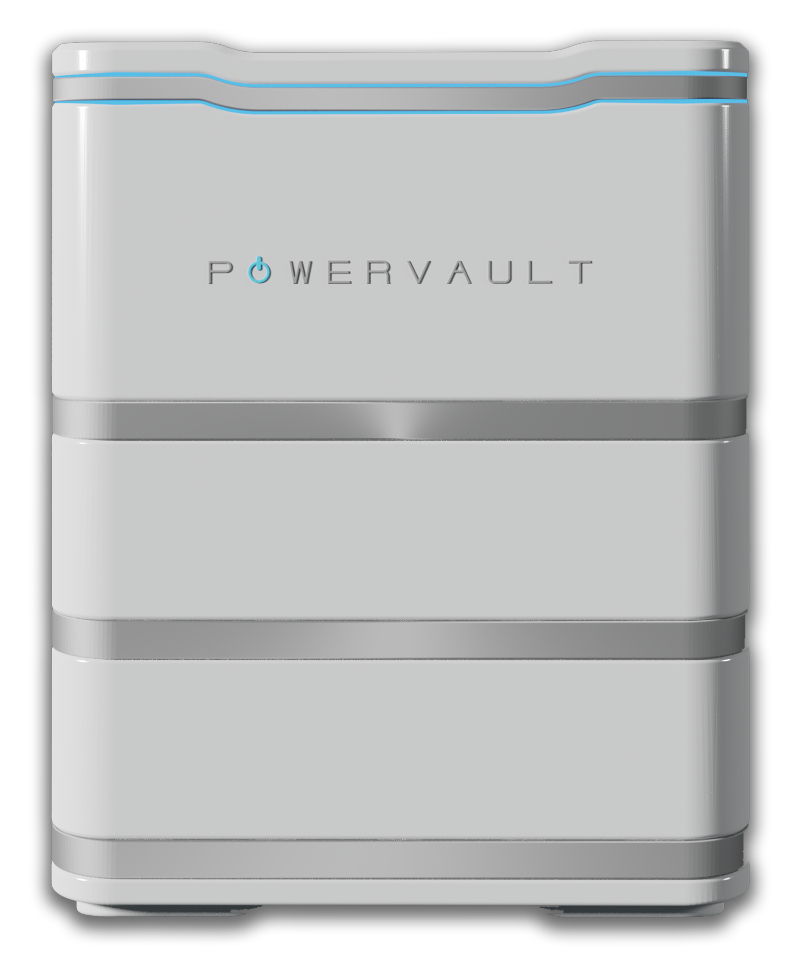
Interestingly, when we think of battery storage, solar panels often steal the spotlight, but battery storage holds tremendous potential even without solar panels, especially for storing energy generated at night. Below, we will explore the benefits of battery storage independently of solar panels and shed light on how you can save on your energy bills.
Grid Flexibility and Stability:
One of the primary advantages of battery storage lies in its ability to provide flexibility and stability to the National Grid. The challenge of intermittent supply increases the more energy production relies on sustainable sources. Having battery storage systems that can store excess energy generated during periods of low demand, that are then released during peak demand hours, evens out these fluctuations. This balancing act reduces strain on the UK’s power infrastructure, improves grid stability and minimizes the risk of blackouts.
Time-of-Use Energy Management:
Battery storage provides an opportunity to benefit from time-of-use (TOU) rates. Many utility companies have implemented TOU pricing, where electricity costs vary depending on the time of day, so by charging batteries during periods of low demand and lower electricity rates, energy can be stored for use during expensive peak demand hours when rates are higher.
Energy Backup and Resilience:
Power outages can have severe consequences for homes and businesses, particularly for vulnerable people and organisations in critical infrastructure sectors such as healthcare, telecommunications and emergency services. Battery storage systems offer a reliable backup during these emergencies to provide a seamless power supply when the grid fails, ensuring essential services remain operational. An innovative approach is to use battery systems for community resilience by setting up microgrids. These are where localized energy networks can function independently from the national grid during emergencies.
Renewable Energy Integration:
Battery storage independent of solar energy still contributes to the integration of various renewable energy sources. Wind farms, hydroelectric plants, and other clean energy installations can maximise our use of renewable resources, further reducing our reliance on fossil fuels.
Environmental Impact and Carbon Reduction:
This reduction in our reliance on fossil fuel power plants reduces greenhouse gas emissions and helps combat climate change, creating a loop that allows more renewables to be added into the energy mix, reducing carbon footprint, building resilience and allowing more renewables to be added back in to the mix.
Conclusion:
While solar panels often steal the limelight when discussing battery storage, it is essential we all recognize the numerous benefits batteries bring on their own. From enhancing grid flexibility and stability, to enabling time-of-use energy management, providing backup power, promoting renewable energy integration, and reducing carbon emissions, battery storage systems are a vital component in our journey towards a sustainable and resilient energy future. As renewable energy technologies develop, we mustn’t overlook the significant role that stand alone battery storage can play in improving our energy systems.