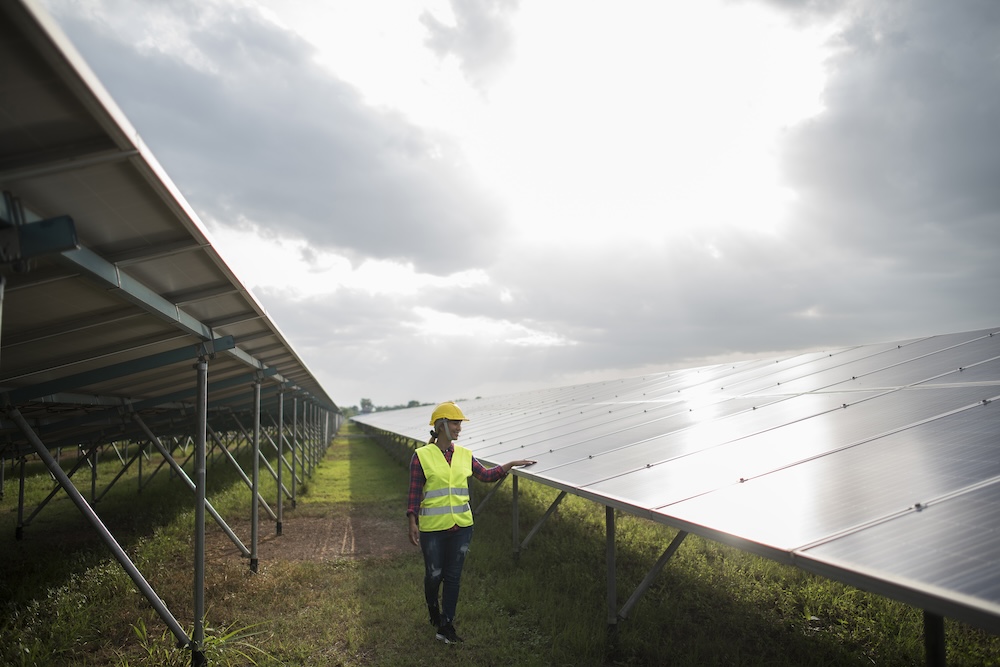
As the agricultural industry evolves, more and more farms are “going green” by adopting sustainable practices. Among these, solar energy stands out as a key driver of change, offering significant benefits to farmers looking to reduce their energy costs, promote environmental sustainability, and future-proof their operations.
In this blog, we’ll explore the unique advantages of solar energy for agricultural businesses and why so many farms are embracing this clean, renewable energy source.
1. Reducing Energy Costs
One of the most compelling reasons for farms to adopt solar energy is the potential for significant cost savings. Agriculture is an energy-intensive industry, requiring power for irrigation systems, heating and cooling facilities, powering farm equipment, and more. With energy prices continuing to rise, farmers are feeling the pinch of high electricity bills.
Generating Free Power from the Sun
By installing solar panels, farms can generate their own electricity on-site, reducing their dependence on grid-supplied power. This can lead to a drastic reduction in monthly electricity bills. The savings from solar energy can then be reinvested into the farm, whether it’s for equipment upgrades, expanding operations, or improving other aspects of the business.
Protection Against Rising Energy Costs
One of the challenges many agricultural businesses face is the unpredictability of energy prices. By generating their own solar power, farms can shield themselves from fluctuating energy costs. This energy independence provides stability in a volatile market, allowing farmers to plan their financials more accurately and protect their bottom line.
2. Sustainable Farming Practices
As consumer demand for environmentally responsible products grows, farms are increasingly expected to adopt more sustainable practices. Solar energy aligns perfectly with the principles of sustainable farming by reducing carbon emissions and lessening the farm’s environmental footprint.
Lower Carbon Emissions
Solar power is a clean, renewable energy source. Unlike fossil fuels, it doesn’t produce harmful emissions or pollutants. By switching to solar energy, farms can significantly reduce their greenhouse gas emissions, contributing to a cleaner and healthier environment. As agriculture often comes under scrutiny for its environmental impact, adopting solar helps farms position themselves as leaders in sustainability.
Enhancing a Farm’s Green Credentials
Sustainability is no longer just a buzzword; it’s becoming a key factor in consumer decision-making. Many consumers actively seek out sustainably produced products. By adopting solar energy, farms can promote themselves as environmentally responsible businesses, helping them stand out in a competitive market. This shift can enhance a farm’s reputation, attract eco-conscious customers, and even open up opportunities in new markets.
3. Energy Independence for Remote Farms
For farms in rural or remote areas, access to reliable grid power can be a challenge. Power outages or disruptions can have severe consequences, affecting everything from irrigation to livestock care. This is where solar energy offers a unique advantage.
Reliable Power Supply
Solar panels allow farmers to generate their own electricity, ensuring they have a continuous power supply even when the grid is unreliable or inaccessible. This is particularly beneficial for remote farms where power outages or fluctuations could otherwise disrupt crucial farm operations.
Battery Storage for 24/7 Energy
When combined with battery storage systems, solar panels can store excess energy generated during the day for use at night or during power outages. This ensures that critical systems like water pumps, refrigeration units, and lighting remain operational even during times when sunlight isn’t available or the grid goes down.
4. Versatility of Solar Energy Applications
Solar energy offers flexibility and versatility, allowing farms to power a wide range of operations. It’s not just about installing panels on the roof of a barn—solar energy can be used for various purposes throughout the farm.
Solar-Powered Irrigation
Watering crops is one of the most energy-intensive tasks on a farm. Solar-powered irrigation systems use solar energy to pump water from wells, rivers, or reservoirs, reducing the need for expensive and polluting fossil fuels. By harnessing the sun’s power, farms can keep their crops hydrated while minimizing energy costs.
Solar-Powered Equipment and Infrastructure
Many farms are turning to solar energy to power equipment such as electric fencing, barn lighting, water heaters, and even electric vehicles used on the farm. Solar can also be used to heat greenhouses, dry crops, and power cold storage facilities, offering endless possibilities for integrating solar energy into various aspects of agricultural operations.
Solar Carports and Ground-Mounted Systems
Farms with large amounts of land or unused spaces can take advantage of ground-mounted solar systems or solar carports. These systems provide flexibility in placement and can be strategically positioned to maximize energy generation without taking away from valuable crop space.
5. Financial Incentives for Farmers
Governments and energy providers are increasingly encouraging the adoption of renewable energy through various financial incentives. These incentives can make solar power more affordable and accelerate the return on investment for farms.
Grants and Subsidies
Many farms can qualify for government grants and subsidies aimed at promoting renewable energy adoption. These programs can cover a portion of the installation costs, making solar energy more accessible and cost-effective for agricultural businesses.
Tax Credits
In addition to grants, farmers may also be eligible for tax credits when they invest in solar energy systems. These credits can significantly reduce the upfront cost of installation and help farms recoup their investment more quickly.
Selling Excess Energy to the Grid
In many areas, farmers can sell excess energy generated by their solar panels back to the grid through programs like net metering. This creates an additional revenue stream for farms, allowing them to monetize the surplus energy they generate.
6. Future-Proofing the Farm
Investing in solar energy is not just a short-term solution; it’s a long-term strategy that future-proofs farms for generations to come. Solar energy systems are built to last, with most solar panels having warranties that cover 25 years or more. This longevity ensures that farms can continue to benefit from solar energy well into the future, even as energy prices continue to rise.
Improving Land Use Efficiency
By incorporating solar energy, farms can make better use of their available land. Solar panels can be installed on rooftops, over parking areas, or in fields, turning otherwise underutilized areas into energy-generating assets.
Reduced Operational Risks
With energy costs continuing to rise and climate change posing new challenges, adopting solar energy can help farmers mitigate risks associated with traditional energy sources. Solar provides a stable, predictable energy solution that farms can rely on, no matter what the future holds.
Why More Farms Are Going Green
The benefits of solar energy for agricultural businesses are clear: lower energy costs, increased sustainability, energy independence, and access to financial incentives. By going green, farms can improve their bottom line while contributing to a cleaner, more sustainable future.
If you’re considering solar energy for your farm, now is the time to make the switch. With advanced technologies and attractive incentives available, investing in solar power has never been more beneficial for the agricultural sector.
Contact Bright Spark Energy today to learn more about how solar energy can transform your farm’s operations and help you achieve greater savings and sustainability.